Surgery
Before and after surgery: preparation and recovery
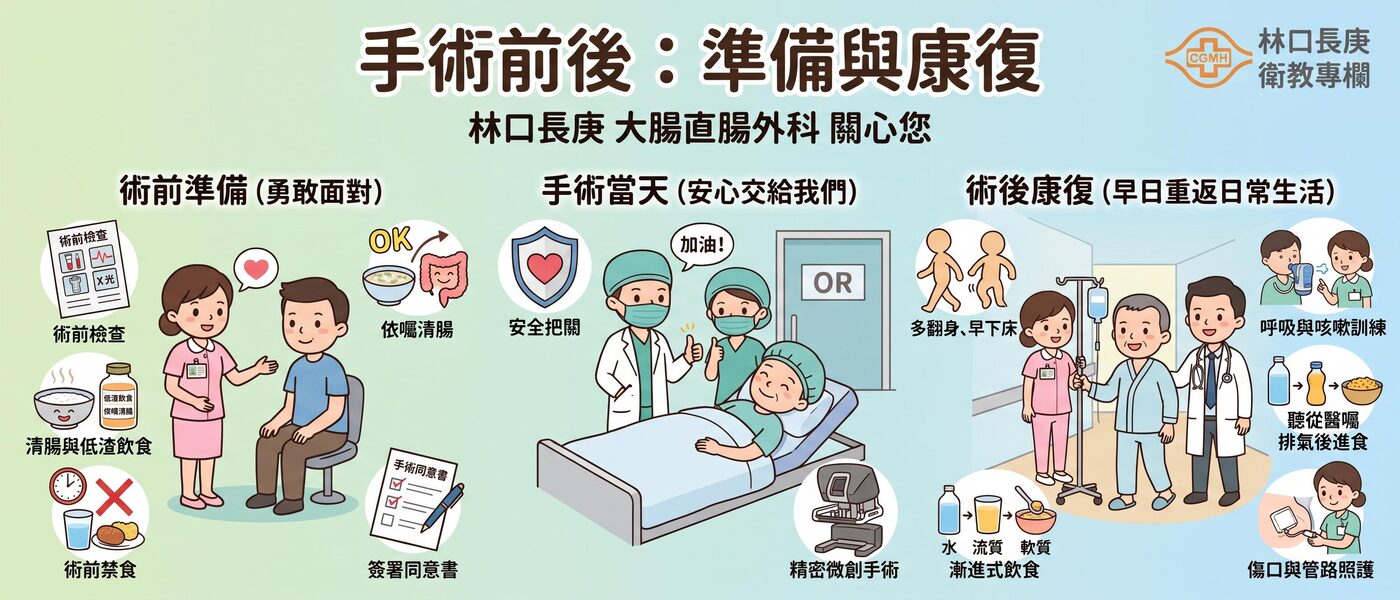
The outcome of an operation depends partly on the medical team and partly on you. This article sets out the things you can do that genuinely help.
Before surgery: getting your body ready
There is usually a period between the decision to operate and the operation itself. That time is not just waiting; using it well affects how quickly you recover.
- Stop smoking. Of everything on this list, the benefit of this is the clearest. Smoking increases the risk of lung complications and of wounds healing poorly. Even a few weeks without it helps.
- Eat enough. Many people assume they should eat less or eat plainly before an operation. That is a misunderstanding. Poor nutrition delays wound healing and increases infection. Unless your doctor says otherwise, keep up your calories and protein.
- Keep moving. A daily walk is enough. People who are fitter recover faster after surgery and have fewer complications.
- Be clear about your medicines. Especially anticoagulants, antiplatelet drugs, diabetes medication and herbal supplements. Some need to be stopped in advance. Tell the team rather than deciding for yourself.
Bowel preparation
The contents of the large bowel usually need to be cleared before surgery. The hospital will give you the preparation medicine and dietary instructions.
The common difficulty is not finishing the preparation, or stopping early. Inadequate preparation can affect the operation, so if you are struggling, contact the team to discuss it rather than reducing the dose yourself. Preparation differs from person to person and not every patient needs it, so follow the instructions you were given.
After surgery: why you are got out of bed so soon
This is the part patients most often resist, and there are clear reasons for it.
Getting up and moving early reduces lung complications, lowers the risk of blood clots in the legs, and helps bowel function return. Lying still does not make the wound heal faster; it slows recovery. Nursing staff will help you, and you should not try to get up alone the first time.
When you can eat
Usually earlier than you expect. It used to be that patients waited until they passed wind; now most can start small amounts of food sooner after surgery, which helps the bowel recover.
The principle is small amounts, often, increasing gradually. If you become noticeably bloated, nauseated or vomit, tell the staff and it will be adjusted. When you actually start eating still depends on the operation you had and how you are recovering.
Pain control
Pain is normal, but you do not have to endure it. Good pain control is what lets you get out of bed, breathe deeply and cough, and that is what speeds recovery. It is not a test of willpower.
If the pain relief you are on is not enough, say so directly. The team has several ways to adjust it.
After you go home
Discharge does not mean recovery is complete. Over the following weeks:
- Keep the wound clean and dry, and change dressings as instructed.
- Keep walking, but avoid lifting heavy objects and strenuous activity. How long for depends on your doctor's advice.
- A change in bowel habit is common, especially after rectal surgery, and usually improves gradually.
- Attend your follow-up appointments, and keep your pathology report and treatment plan.
Return to hospital or go to the emergency department straight away, without waiting for your next appointment, if you have:
- Fever
- A wound that is red, swollen, increasingly painful, or leaking fluid
- Abdominal pain that keeps worsening, or a hard, distended abdomen
- Persistent vomiting, or inability to eat
- No passage of wind or stool at all, together with bloating
- Heavy bleeding from the bowel
- If you have a stoma: nothing passing from it, a darkening colour, or severe pain around it
Every patient is different, and this article gives general principles only. Your own tests and treatment should follow your doctor's advice.