Treatment
Looking after yourself through chemotherapy side effects
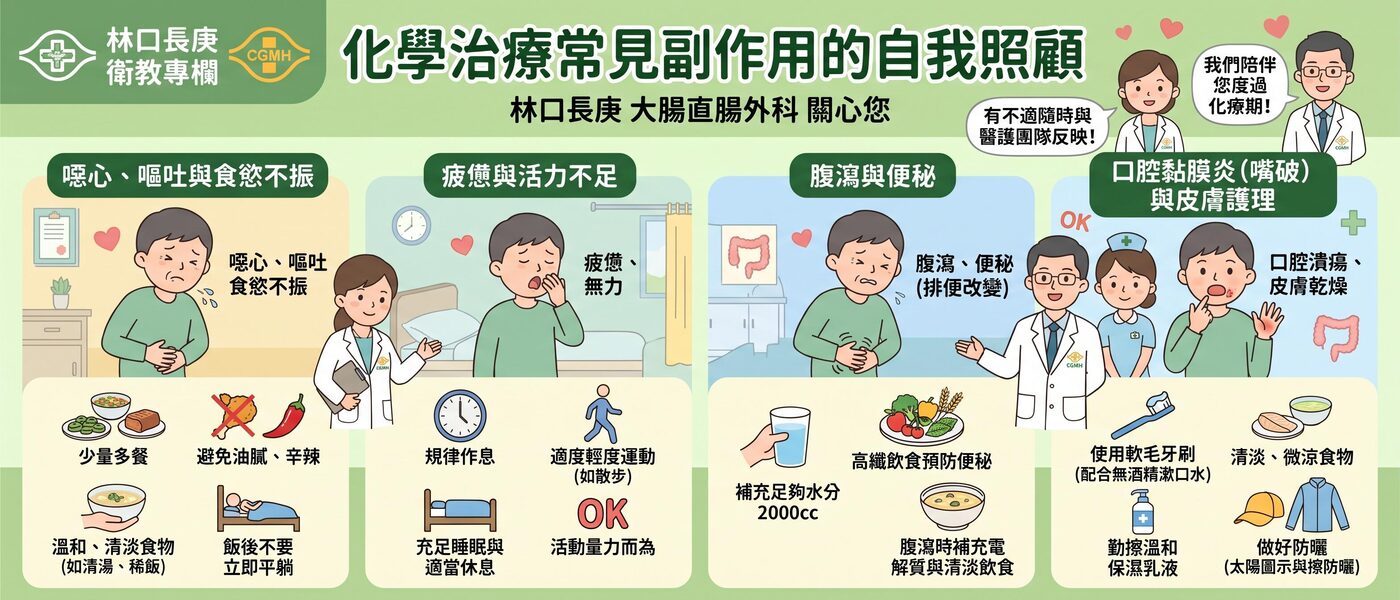
Chemotherapy side effects differ from person to person and from drug to drug. You will not get all of them, and most can be managed. This article focuses on what you can look after yourself, and what means contacting the team immediately.
Read this first. Contact your team or go to the emergency department immediately, without waiting for your next appointment, if you have any of these:
- Fever. This is the most important one. When your white cell count is low after chemotherapy, a fever can mean serious infection, and it can progress quickly.
- Chills, shivering, or suddenly feeling very unwell
- Bleeding that will not stop, large bruises, or blood in stool or urine
- Severe diarrhoea or vomiting to the point of not being able to eat or drink
- Difficulty breathing or chest pain
- Mouth ulcers severe enough to stop you eating
Low white cells and infection
Chemotherapy temporarily suppresses the bone marrow. White cells usually reach their lowest point some time after a cycle and then recover. During that period your resistance to infection is lower.
What helps day to day: wash your hands often, avoid crowded enclosed places, make sure food is thoroughly cooked, avoid raw food, and keep your mouth clean. You do not need to isolate yourself from family or wear a mask all the time. What matters is doing the basics properly.
To say it again: during this period a fever is an emergency. Seek care directly and tell them you are on chemotherapy.
Anaemia and fatigue
Tiredness is the most common problem during chemotherapy, and it is often not the kind of tiredness that sleep fixes. This is not a failure of willpower.
- Spend your energy on what matters; let other things wait or ask for help.
- Short rests taken often work better than one long sleep.
- Conversely, gentle walking actually improves fatigue. Complete inactivity makes it worse.
- Get enough protein and iron.
- Stand up slowly. Anaemia makes dizziness and falls more likely.
Low platelets
When platelets are low you bruise and bleed more easily. During this period:
- Use a soft toothbrush and avoid cutting the gums with floss.
- Use an electric shaver rather than a blade.
- Avoid activities where you may knock yourself.
- Do not take aspirin or anti-inflammatory painkillers on your own; they increase bleeding. Ask your doctor if you need pain relief.
- Avoid blowing your nose hard, and avoid straining with constipation.
Nausea and vomiting
Anti-sickness medicines are far better than they used to be. Take the ones your doctor prescribes on schedule, rather than waiting until you are being sick.
With food: eat small amounts often, avoid very fatty, very sweet or strong-smelling food, let food cool a little so the smell is weaker, and do not lie down straight after eating. If you are vomiting so much that you cannot eat or drink, contact the team.
Mouth soreness
A sore mouth stops you eating, which then affects everything else, so prevent it early: clean with a soft toothbrush after meals and before bed, rinse with saline or a mouthwash your doctor recommends, avoid alcohol-based mouthwashes, avoid very hot, spicy, acidic or rough food, and keep your lips moist.
Diarrhoea and constipation
Either can happen, depending on the drug. With diarrhoea, replacing fluid matters most; with constipation, increase fluid and fibre and keep gently active.
Ask your doctor before using anti-diarrhoeal medicines or laxatives, because in some situations stopping diarrhoea yourself carries risks. See also "Eating and bowel habits during treatment".
Changes in the hands and feet
Some of the drugs commonly used for colorectal cancer affect the hands and feet:
- Hand-foot syndrome — redness, peeling and pain on the palms and soles. Avoid friction and pressure, avoid very hot water, and moisturise often.
- Peripheral neuropathy — numbness and tingling in the hands and feet. With some drugs, cold triggers or worsens it. If so, avoid contact with cold things, including iced drinks, reaching into the fridge, and going out in cold weather without covering up.
If numbness starts to affect buttoning clothes, holding objects or walking steadily, be sure to tell your doctor. It affects dose adjustment, so do not simply put up with it.
Hair loss
Most chemotherapy regimens used for colorectal cancer do not cause noticeable hair loss. If it does happen, hair usually regrows after treatment finishes.
Sex and fertility
Many people want to ask about this and find it hard to raise, but it is a reasonable concern.
You can have sex during treatment. What to bear in mind: use contraception during treatment and for a period afterwards, because the drugs may harm a developing baby; and take more care during periods when white cells or platelets are low.
Treatment can reduce sex drive and cause fatigue, vaginal dryness in women and changes in erectile function in men. These usually improve after treatment ends. Some treatments can also affect fertility — if you may want children in the future, raise it before treatment starts, when more options are open to you.
There is nothing odd about discussing these things with your team. We deal with them every day.
Every patient is different, and this article gives general principles only. Your own tests and treatment should follow your doctor's advice.